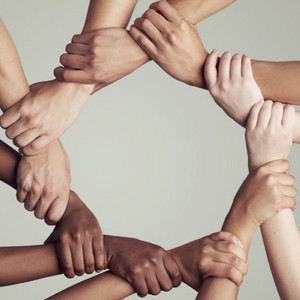
How to be a Culturally Competent Educator
Imagine walking into Ms. Prabhu’s third-grade classroom. Student projects about family traditions and community life cover one wall (photo essays about weekend gatherings, stories about family heritage, artwork representing meaningful celebrations).
This is cultural competency in action: a learning environment where every student can engage and succeed.
Start With What We Bring
Might there be assumptions or biases we bring into the classroom? Noticing them is where cultural competency starts. Before we respond to a student or a family, a few questions can help:
✅ What did I actually see or hear, in plain words?
✅ What am I adding from what I assume about this child or this family?
✅ Would I respond the same way to a different student?
✅ What would I learn if I asked instead?
They take a few seconds, and they keep us curious instead of certain.
Ready to develop these essential skills? Our Cultural Competency and Responsive Teaching (5 hours) and Cultural Competency and Reflective Teaching (10 hours) courses can help you start your journey.
Building Trust Through Understanding
Cultural competency goes far beyond surface-level celebrations. It’s about creating daily connections that help every student thrive.
Express Genuine Interest
When Jamal shared stories during morning circle, his teacher’s thoughtful questions and attentive presence showed she valued his experiences. Simple actions build strong connections:
- Practice active, respectful listening
- Acknowledge and validate student sharing
- Show authentic curiosity about students’ lives
- Demonstrate attention through mindful presence
Share Authentically
Mrs. Delgado transformed her classroom dynamics by sharing her own experience learning mathematics through multiple approaches. While maintaining professional boundaries, consider sharing:
- Learning experiences that required persistence
- Times you’ve gained new perspectives
- Moments of growth and understanding
- Stories that connect to classroom concepts
Creating Engaging Learning Spaces
Deepen your understanding of these approaches through our Cultural Competency and Reflective Teaching course. For additional strategies in making learning accessible to all students, explore our Accommodations through UDL course.
Embrace Storytelling
Stories are one of the fastest ways to connect with students. One high school history teacher enriched her curriculum by inviting students to share their own perspectives and experiences. Stories can:
- Connect curriculum to real-world experiences
- Showcase different ways of problem-solving
- Build understanding across experiences
- Create meaningful learning connections
- Validate various forms of knowledge
Make Learning Fun and Inclusive
In Ms. Kim’s class, science comes alive through real-world applications that reflect students’ diverse experiences and interests. Create engagement through:
- Projects that welcome multiple approaches
- Creative activities celebrating diverse thinking styles
- Collaborative work that values different strengths
- Learning experiences that incorporate student interests
Providing Responsive Feedback
The way we give feedback shapes how students see themselves as learners. Effective feedback should:
Be Delivered with Care
- Use supportive, encouraging language
- Choose appropriate moments for sharing
- Provide specific paths for growth
- Consider individual learning styles
- Account for different communication preferences
Stay Focused and Clear
- Address the work, not assumptions
- Use clear, direct language
- Maintain regular communication
- Document progress meaningfully
- Adapt approaches based on student response
Measuring Success
Track your growth as a culturally competent educator by:
- Observing changes in student engagement
- Gathering input from families and students
- Reflecting on classroom interactions
- Adjusting approaches based on feedback
- Documenting successful strategies
Remember, becoming a culturally competent educator is an ongoing journey of learning and growth. Each step toward understanding helps create a more inclusive learning environment where all students can succeed.
The most meaningful moments come when students feel confident bringing their whole selves to their learning.
Deepen your understanding of cultural competency through our comprehensive professional development courses.
Updated October 2026: This guide now opens with four questions for noticing the assumptions we bring into the classroom.
About the Author
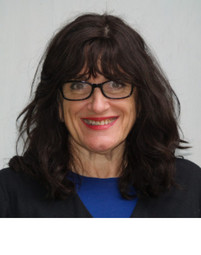
Ellen Paxton is a respected expert in education and best known as the Chief Learning Officer of Professional Learning Board. As a two-time National Board Certified Teacher, Ellen has successfully published and customized online professional development courses and Learning Management Systems for 20 years to help teachers meet their state continuing education renewal credit requirements. Through ProfessionalLearningBoard.com, RenewaTeachingLicense.com, and ConnectedPD.com. Ellen has established solutions and maintained partnerships with several accredited universities, higher education institutions, teachers’ unions and state Departments of Education while setting strategic direction that makes a difference and overseeing implementation of popular online PD.
Comments are closed.